Second jobs
Beyond the shift itself, each of us carries one or more “second jobs”.
The projects that keep our tools, procedures and systems evolving.
SCADA views development
We do not just use the SCADA systems, we build the views we work with. Operators design and develop the synoptics that display CERN’s electrical, cooling, ventilation and safety installations in the control room.
Because the people drawing the screens are the same people watching them at three in the morning, the result is built around how an alarm is actually handled, not around how the equipment is wired.
TI Logbook development
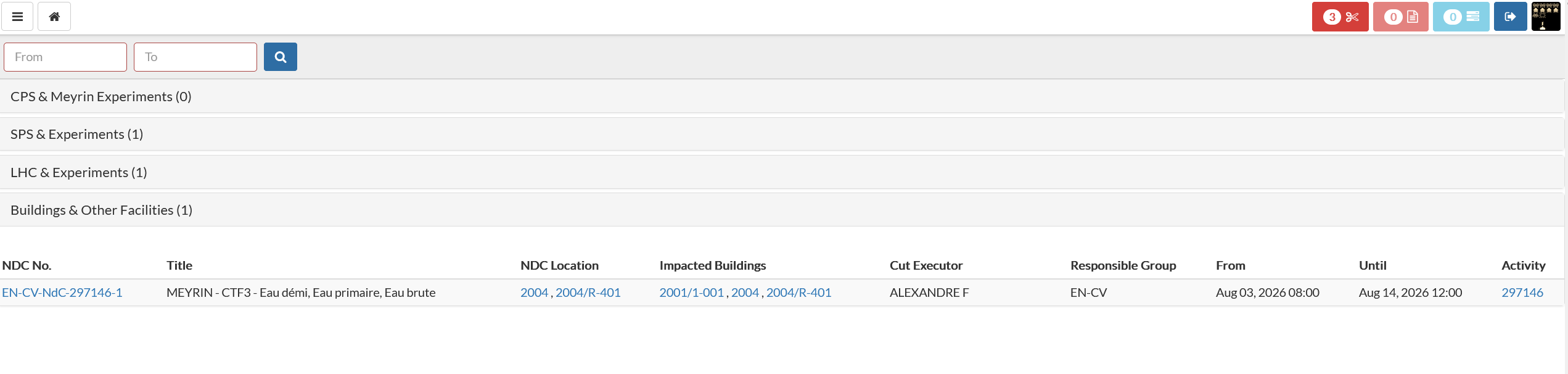
Every event, intervention and fault handled by TI is recorded in the TI Logbook. The application is developed in-house, driven directly by the needs of the shifters.
Training application
TI covers a very broad range of systems, and every operator follows a long qualification path. To manage it, with support from BE-CSS, we guided the development of a tailor-made training application that tracks each operator’s progress across all technical domains.
It gives a clear picture of who is qualified on what, which training is due, and where refreshers are needed, turning operator competence into something measurable and planned rather than assumed.
Phone infrastructure
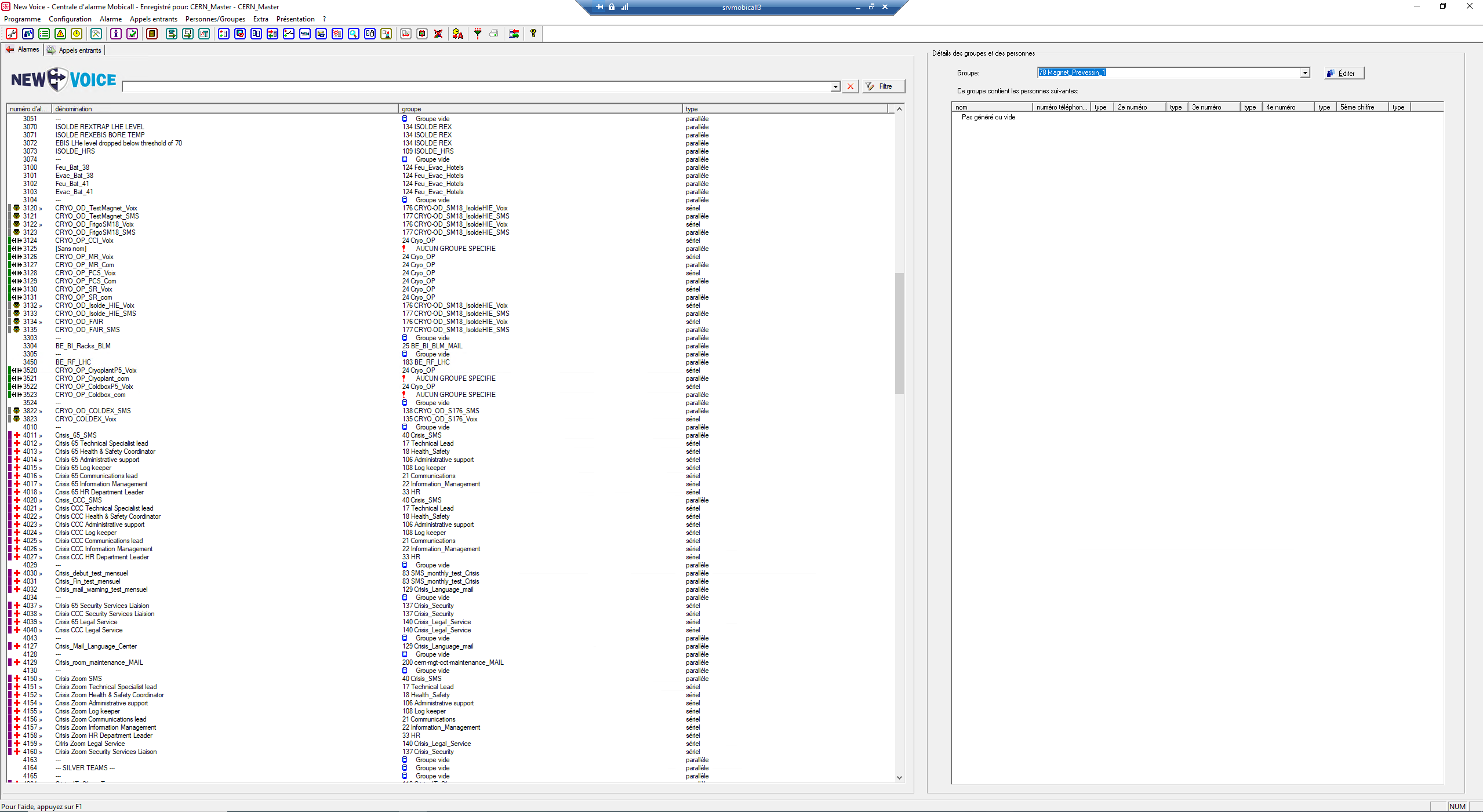
The telephone remains the fastest link between the control room and the experts on call. TI maintains the section’s phone infrastructure and develops the tools that support it, from call handling in the CCC to the interfaces used during an intervention.
We also manage automatic call-out systems such as Mobicall, which alerts the right expert automatically when a critical alarm is triggered, day or night.
Field monitoring
Some situations need closer attention than the permanent instrumentation can give. For these cases TI deploys portable monitoring devices that measure parameters such as temperature and humidity and transmit them back to the control room.
They can be installed quickly wherever a temporary watch is required, such as during a heat wave, after a fault, or while a system is under observation, giving real measurements instead of assumptions.

Keeping procedures up to date
Each operator is responsible for one or more technical domains, and for the operational procedures that go with them. These procedures tell the shift crew exactly what to do when an alarm appears.
They are reviewed and updated continuously, in contact with the equipment groups, because a procedure is only useful if it matches the installation as it is today, and installations at CERN evolve at the speed of light.
Alarm testing and validation
Before a new alarm reaches the control room, it has to be tested end to end: from the sensor in the field, through the transmission chain, to the display and the procedure attached to it.
TI takes part in this validation for every new or modified installation, ensuring that an alarm means what it says. No false positives, no silent failures, and always a documented action behind it.
Exploring technologies
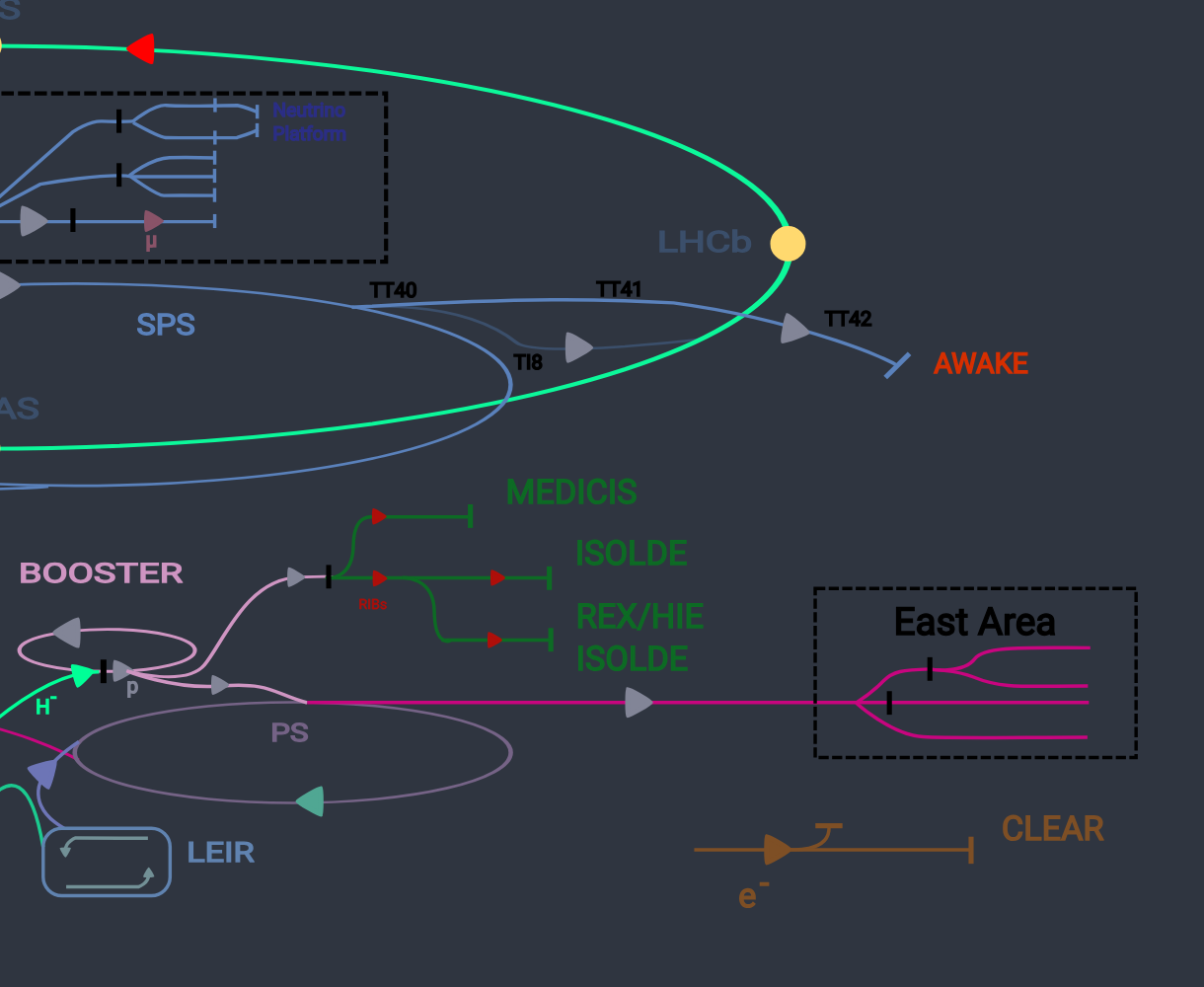
Part of our office time is deliberately spent looking ahead. We evaluate new approaches, visualisation techniques, and build small prototypes to see whether they hold up in a technical environment as demanding as CERN’s.
Most of this work stays at the prototype stage, and that is the point: testing an idea cheaply is how we avoid deploying the wrong one. What proves itself in the field moves on to become a supported tool; what does not still teaches us where the limits are.
Tailor-made solutions
Not every operational need has a product behind it. When no existing tool fits, we build our own: automated backup procedures for our configurations and applications, custom scripts, and lightweight tools that fill the gaps between the large control systems.